---
title: National Indigenous History Month - Why It’s Important
description: June is National Indigenous history month - time to reflect upon the history, sacrifices, contributions, culture and strength of Indigenous Peoples.
image: https://www.ictinc.ca/hubfs/Blog/powwow_dancing_shutterstock_446314-feet.jpg
---

 4 min read

# National Indigenous History Month - Why It’s Important

[ Bob Joseph ](https://www.ictinc.ca/blog/author/bob-joseph)  June 11, 2019

[History](https://www.ictinc.ca/blog/topic/history) [Indigenous Relations](https://www.ictinc.ca/blog/topic/indigenous-relations) [Arts and Culture](https://www.ictinc.ca/blog/topic/arts-and-culture)

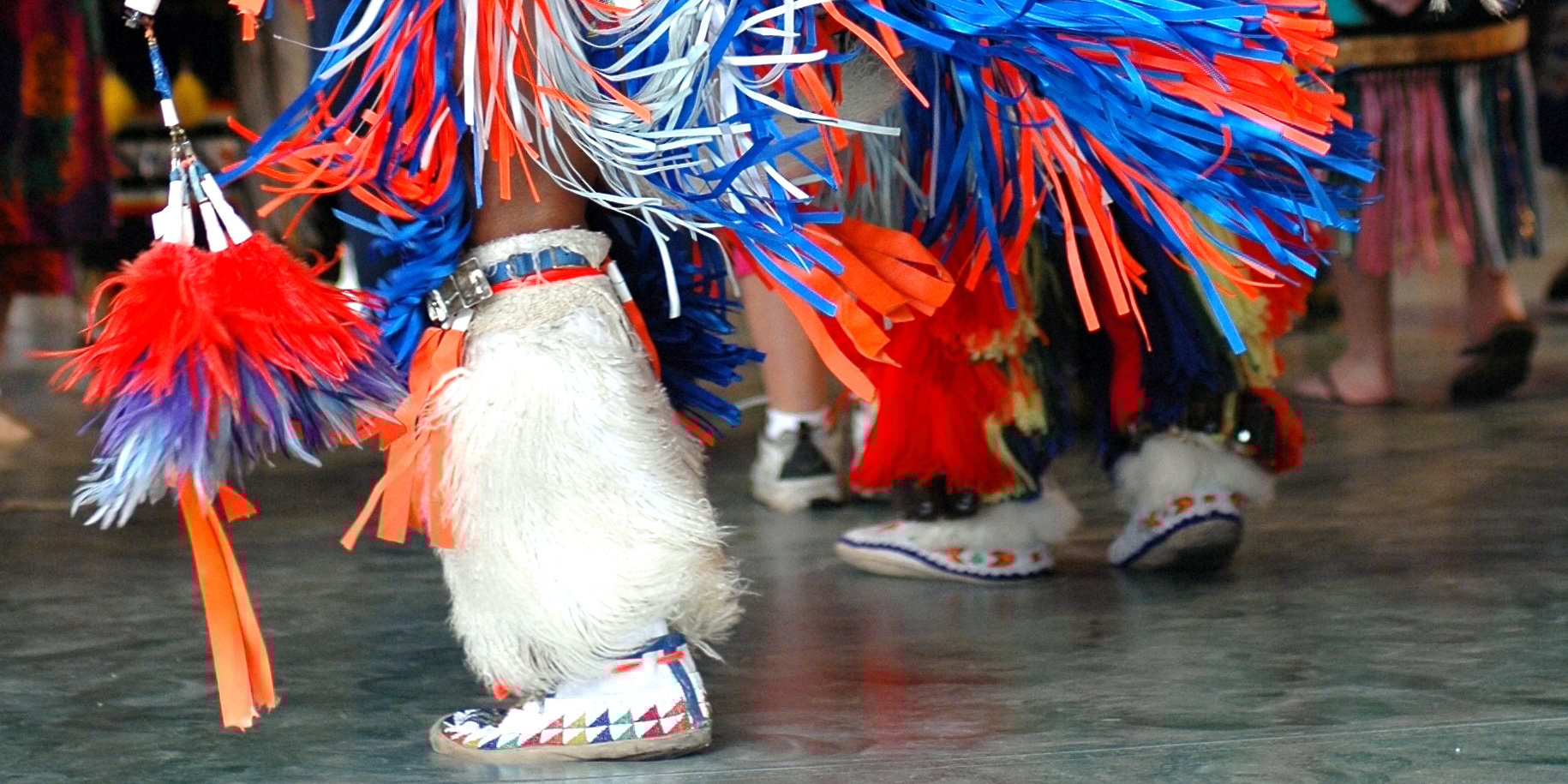
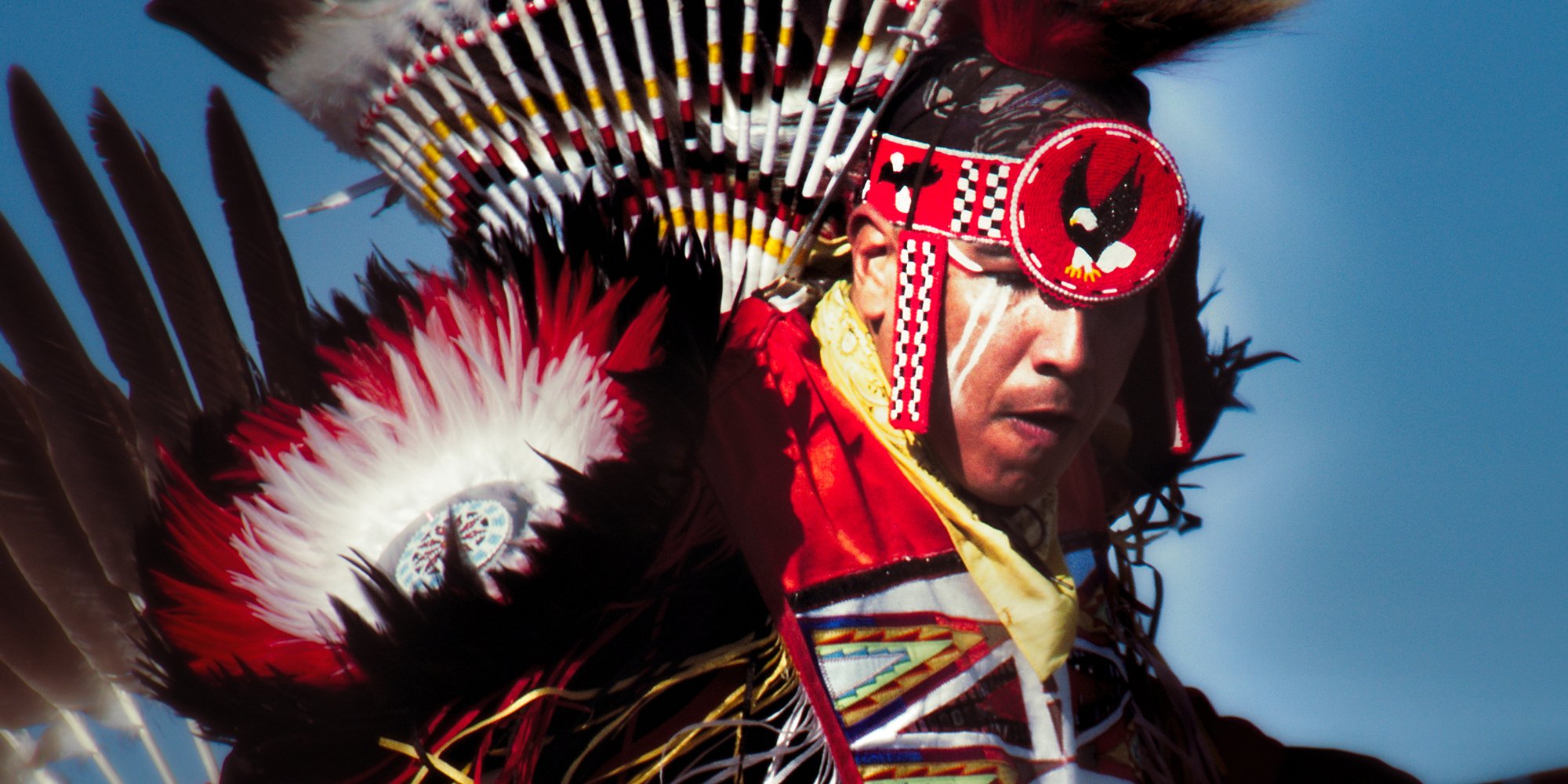
![National Indigenous History Month - Why It’s Important](https://www.ictinc.ca/hubfs/Blog/powwow_dancing_shutterstock_446314-feet.jpg)

June is National Indigenous History Month - a time for all Canadians - Indigenous, non-Indigenous and newcomers - to reflect upon and learn the history, sacrifices, cultures, contributions, and strength of First Nations, Inuit and Métis people. It’s important to keep in mind that First Nations, Inuit and Métis Peoples each have their own unique histories. And within each group, there are distinct histories.

- [10 Ways to Virtually Celebrate National Indigenous Peoples Day](https://www.ictinc.ca/blog/10-ways-to-virtually-celebrate-national-indigenous-peoples-day)
- [How did we get here? A concise, unvarnished account of the history of the relationship between Indigenous Peoples and Canada](https://sencanada.ca/content/sen/committee/421/APPA/Reports/APPAReport-Phase1_WEB_e.pdf)

#### Why do Indigenous Peoples need to learn about their history?

Because, due to assimilation and segregation policies of the federal government, Indigenous Peoples were physically removed from their lands onto reserves or into settlements. Their relationship with their traditional lands was the foundation of who they were as a People; the land held their history. In addition to removing them from their lands, everything that made them who they were - their distinct cultural practices, languages, and spirituality - was outlawed, prohibited or erased.

It is estimated that 150,000 Indigenous children were forced into the residential schools that operated from the late 1800s until [the last one closed in 1997](https://www.ictinc.ca/blog/the-significance-of-irssa-recognized-schools-in-indigenous-relations). While at the schools the children were taught or forced to accept that they, their families and their cultures were inferior to European culture and lifestyle. The children learned to be ashamed of their identity. It has been a struggle for many individuals and communities ever since to relearn, regain, and revitalize what was taken.

- [Creation Stories - The Origins of Culture  
  ](https://www.ictinc.ca/blog/creation-stories-the-origins-of-culture)
- [First Nation Relationship to the land  
  ](https://www.ictinc.ca/blog/first-nation-relationship-to-the-land)
- [What is the Relationship between Indigenous Peoples and Animals  
  ](https://www.ictinc.ca/blog/what-is-the-relationship-between-indigenous-peoples-and-animals)
- [Why is it important to protect & revitalize Indigenous languages?](https://www.ictinc.ca/blog/why-is-it-important-to-protect-revitalize-indigenous-languages)

Indigenous Peoples need to celebrate their history because doing so helps to stop the loss and grow their cultures. Celebrating their history invigorates pride in being Indigenous. In their existence. In the preservation of their [cultures](https://www.ictinc.ca/blog/respecting-first-nations-cultural-diversity), protocols, spirituality, traditions, and languages. In their resilience against the ravages of assimilation policies that were geared toward getting rid of the Indian problem.

- [10 quotes John A. Macdonald made about First Nations](https://www.ictinc.ca/blog/10-quotes-john-a.-macdonald-made-about-first-nations)
- [Potlatch Ban: Abolishment of First Nations Ceremonies  
  ](https://www.ictinc.ca/the-potlatch-ban-abolishment-of-first-nations-ceremonies)
- [The Pow wow A Primer on the First Nation Pow wow](https://www.ictinc.ca/first-nation-pow-wow-a-primer)

#### Why do non-Indigenous Canadians need to learn about Indigenous history?

For many Canadians, the history of Indigenous Peoples and Canada was, until recently, unknown. Generations of Canadians have gone through their lives without knowing about residential schools, the historic and ongoing impacts of the [*Indian Act*,](https://www.ictinc.ca/blog/21-things-you-may-not-have-known-about-the-indian-act-) the significance of [treaties](https://www.ictinc.ca/blog/whats-the-difference-between-historic-and-modern-treaties), or the contributions of Indigenous Peoples to the mosaic of Canada.

Non-Indigenous Canadians need to understand why many Indigenous Peoples were offended when Canada chose to have an expansive celebration to mark its history of 150 years since Confederation. Indigenous Peoples have been here much, much longer than a mere 150 years and that timestamp did not acknowledge or respect their relationship with this land that extends back tens of thousands of years. Many Indigenous Peoples were also disturbed by the celebration because most of the egregious acts of assimilation took place during that era and those experiences were not something to celebrate.

#### Indigenous Relations Tip:

There was a workaround for the issue of 150 though and it was to celebrate the 150+. By adding the "+" or "plus" it signified to Indigenous peoples this longer period of history.

- [Reflections in 2017 on the 1967 Centennial Speech of Chief Dan George](https://www.ictinc.ca/blog/reflections-in-2017-on-the-1967-centennial-speech-of-chief-dan-george)

Non-Indigenous Canadians need to learn about Indigenous history because by doing so they demonstrate their recognition of the important role of Indigenous Peoples in shaping this country [historically](https://www.ictinc.ca/blog/war-of-1812-who-won-undecided-who-lost-aboriginal-peoples-of-canada) and their contributions to protecting democracy.

- [Indigenous Veterans: Equals on the Battlefields, but Not at Home](https://www.ictinc.ca/blog/indigenous-veterans)

The month of June is an opportunity for all Canadians to learn about Indigenous history together. And June 21st, [National Indigenous Peoples Day](https://www.ictinc.ca/blog/national-aboriginal-day-june-21-celebrate), is an opportunity for all Canadians to come together and celebrate with Indigenous Peoples.

Here’s the timeline of how Indigenous History Month came to be:  
**1982:** The National Indian Brotherhood (now known as the Assembly of First Nations) called for the creation of a National Aboriginal Solidarity Day on June 21.

**1990:** The Quebec legislature recognized June 21 as a day to celebrate Aboriginal* culture

**1995:** The Royal Commission on Aboriginal Peoples recommended a day be designated as National First Peoples Day. The Sacred Assembly, a national conference of Aboriginal and non-Aboriginal people chaired by the late [**Elijah Harper**](https://www.ictinc.ca/blog/elijah-harper-the-man-with-a-feather-who-changed-the-course-of-history), called for a national holiday to celebrate the contributions of Aboriginal Peoples in Canada.

**1996:** Governor General Romeo LeBlanc proclaimed that [National Aboriginal Day](https://www.ictinc.ca/blog/national-aboriginal-day-10-ways-to-celebrate) would be celebrated on June 21 each year. "On June 21st, this year and every year, Canada will honour the native peoples who first brought humanity to this great land," said Leblanc. "And may the first peoples of our past always be full and proud partners in our future."

**2008:** Prime Minister Harper offered a full **apology** on behalf of Canadians for the [**Indian Residential Schools**](https://www.ictinc.ca/indian-residential-schools-legacy-learn-more-read-more) system.

**  
2009:** By unanimous motion in Canada’s House of Commons, the month of June was declared National Aboriginal History Month.

**2017:** Prime Minister Justin Trudeau announced plans to change the name to National Indigenous History Month, reflecting a national and international preference for the term Indigenous, rather than Aboriginal.

You will notice we move from using Aboriginal to using Indigenous. We did so because Aboriginal was the term used at the time.

If you are interested in learning more about Indigenous history that was not taught in schools or if you want to learn about history from the Indigenous person's point of view, there are lots of reports. Some are quite lengthy but well worth the effort.

#### Reports:

[Report of the Royal Commission on Aboriginal Peoples](https://www.bac-lac.gc.ca/eng/discover/aboriginal-heritage/royal-commission-aboriginal-peoples/Pages/final-report.aspx)

[Honouring the Truth, Reconciling for the Future Summary of the Final Report of the ](http://publications.gc.ca/collections/collection_2015/trc/IR4-7-2015-eng.pdf)[Truth and Reconciliation Commission of Canada](http://publications.gc.ca/collections/collection_2015/trc/IR4-7-2015-eng.pdf)

[The TRC's 94 Calls to Action](https://www.ictinc.ca/blog/truth-and-reconciliation-commission-calls-to-action)

[Reclaiming Power and Place: The Final Report of the National Inquiry into Missing and Murdered Indigenous Women and Girls](https://www.mmiwg-ffada.ca/final-report/)

#### Books:

At the risk of shameless marketing, I have two books:  
*[**21 Things You May Not Know About The Indian Act**](https://www.ictinc.ca/books/21-things-you-may-not-know-about-the-indian-act)*, Bob Joseph

*[**Indigenous Relations Tips & Suggestions To Help Make Reconciliation A Reality**](https://www.ictinc.ca/books/indigenous-relations)*, Bob Joseph with Cynthia F. Joseph

***The Inconvenient Indian**, *Thomas King

***Unsettling Canada: A National Wake-Up Call**, *Arthur Manual and Grand Chief Ronald M. Derrickson

***Surviving as Indians: The Challenge of Self-Government**, *Menno Boldt

***The Comeback**, *John Ralston Saul

#### Training/courses:

Again, at the risk of shameless marketing, we offer a full [range of courses](https://www.ictinc.ca/training) that take you from basic Indigenous awareness right through to advanced training options.

*Featured photo: Shutterstock*

[![Learn more about Indigenous Awareness](https://no-cache.hubspot.com/cta/default/374848/a863b2fa-4bf8-4a6e-a5e6-a637b0ba47d9.png)](https://cta-redirect.hubspot.com/cta/redirect/374848/a863b2fa-4bf8-4a6e-a5e6-a637b0ba47d9)

###### Share:

[** ](https://www.facebook.com/sharer/sharer.php?u=https%3A%2F%2Fwww.ictinc.ca%2Fblog%2Fnational-indigenous-history-month) [** ](https://www.linkedin.com/shareArticle?mini=true&url=https%3A%2F%2Fwww.ictinc.ca%2Fblog%2Fnational-indigenous-history-month&title=National+Indigenous+History+Month+-+Why+It%26rsquo%3Bs+Important&summary==June+is+National+Indigenous+history+month+-+time+to+reflect+upon+the+history%2C+sacrifices%2C+contributions%2C+culture+and+strength+of+Indigenous+Peoples.)

This is a search field with an auto-suggest feature attached.

- There are no suggestions because the search field is empty.

[![Dispelling Common Myths About Indigenous Peoples: 9 Myths & Realities](https://www.ictinc.ca/hs-fs/hubfs/eBooks/Dispelling-Common-Myths-About-Indigenous-Peoples_600w.jpg?width=600&height=900&name=Dispelling-Common-Myths-About-Indigenous-Peoples_600w.jpg)](https://www.ictinc.ca/dispelling-common-myths-about-indigenous-peoples)

[![Download the free eBook](https://no-cache.hubspot.com/cta/default/374848/28861da8-2e39-4685-9166-af3a5cdd6f0f.png)](https://cta-redirect.hubspot.com/cta/redirect/374848/28861da8-2e39-4685-9166-af3a5cdd6f0f)

[![11 Things You Should Know About Indigenous Oral Traditions](https://www.ictinc.ca/hubfs/Blog/storyteller-artwork-5177337812_Flickr_1168w.jpg) ](https://www.ictinc.ca/blog/11-things-you-should-know-about-aboriginal-oral-traditions)

#### [11 Things You Should Know About Indigenous Oral Traditions](https://www.ictinc.ca/blog/11-things-you-should-know-about-aboriginal-oral-traditions)

March 01, 2021

Oral traditions retain the history of Indigenous Peoples by passing cultural information from one generation to the next. For Indigenous communities...
[Read More](https://www.ictinc.ca/blog/11-things-you-should-know-about-aboriginal-oral-traditions)

[![What Does Indigenous Awareness Mean?](https://www.ictinc.ca/hubfs/Blog/Flickr-gaelvaroquaux-49293624953_Innu-Warrior-dancer_2000w.jpg) ](https://www.ictinc.ca/blog/what-does-indigenous-awareness-mean)

#### [What Does Indigenous Awareness Mean?](https://www.ictinc.ca/blog/what-does-indigenous-awareness-mean)

May 19, 2015

Indigenous awareness is a broad term – I know because my onsite and public workshops are dedicated to helping people understand the full extent of...
[Read More](https://www.ictinc.ca/blog/what-does-indigenous-awareness-mean)

[![A Brief Timeline of the History of Indigenous Relations in Canada](https://www.ictinc.ca/hubfs/Blog/LAC_4133853_1763-map-Quebec.jpg) ](https://www.ictinc.ca/blog/a-brief-timeline-of-the-history-of-indigenous-relations-in-canada)

 1 min read

#### [A Brief Timeline of the History of Indigenous Relations in Canada](https://www.ictinc.ca/blog/a-brief-timeline-of-the-history-of-indigenous-relations-in-canada)

June 11, 2020

National Indigenous Peoples History Month is a time to acknowledge the history of Indigenous relations and Indigenous Peoples in Canada....

[Read More](https://www.ictinc.ca/blog/a-brief-timeline-of-the-history-of-indigenous-relations-in-canada)

![](https://googleads.g.doubleclick.net/pagead/viewthroughconversion/1003610425/?value=0&guid=ON&script=0) 

![](https://px.ads.linkedin.com/collect/?pid=7874204&fmt=gif)

```json
{
  "@context" : "https://schema.org",
  "@type" : "BlogPosting",
  "author" : {
    "@type" : "Person",
    "name" : "Bob Joseph",
    "url" : "https://www.ictinc.ca/blog/author/bob-joseph"
  },
  "dateModified" : "2024-10-04T20:49:09.061Z",
  "datePublished" : "2019-06-11T09:18:00.000Z",
  "headline" : "National Indigenous History Month - Why It’s Important",
  "image" : [ "https://www.ictinc.ca/hubfs/Blog/powwow_dancing_shutterstock_446314-feet.jpg" ],
  "mainEntityOfPage" : {
    "@id" : "https://www.ictinc.ca/blog/national-indigenous-history-month",
    "@type" : "WebPage"
  },
  "publisher" : {
    "@type" : "Organization",
    "logo" : {
      "@type" : "ImageObject",
      "url" : "https://www.ictinc.ca/hubfs/--Official%20Website%20Images/Logos/ICT_Logo_2022.png"
    },
    "name" : "Indigenous Corporate Training Inc."
  }
}
```