Skip to the main content.

Working Effectively with Indigenous Peoples®

Blog

  • There are no suggestions because the search field is empty.
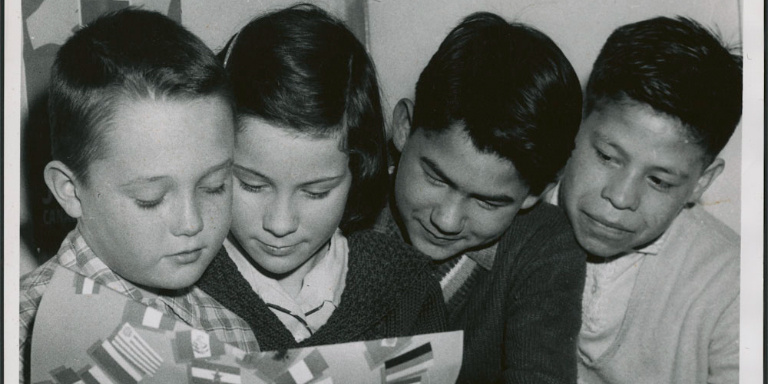
Non-Indigenous and Indigenous children reading a book

3 min read

Sixties Scoop Apprehension of Indigenous Children without Consent

The term “Sixties Scoop” refers to the period from 1961 through to the 1980s that saw an astounding number of Indigenous babies and children literally scooped from the arms of their parents and placed in boarding schools or the homes of middle-class...

Read More


cup with name tag on it

2 min read

Indigenous Protocol Usage of Ancestral and Spiritual Names

According to Merriam-Webster, protocol is “a system of rules that explain the correct conduct and procedures to be followed in formal situations.”...

Read More
microphone in conference room

2 min read

First Nations Protocol: Questions From a Reader

We recently received the following questions from a reader: Question: A few years ago I attended your workshop in Ottawa and bought your [Working...

Read More
man standing in the light of car headlights

2 min read

Barriers to Indigenous Employment: Driver's Licences - #2 of 2

In the first of our series on Barriers to Indigenous Employment, we looked at 8 basic barriers and solutions. In this last part, we are looking at...

Read More
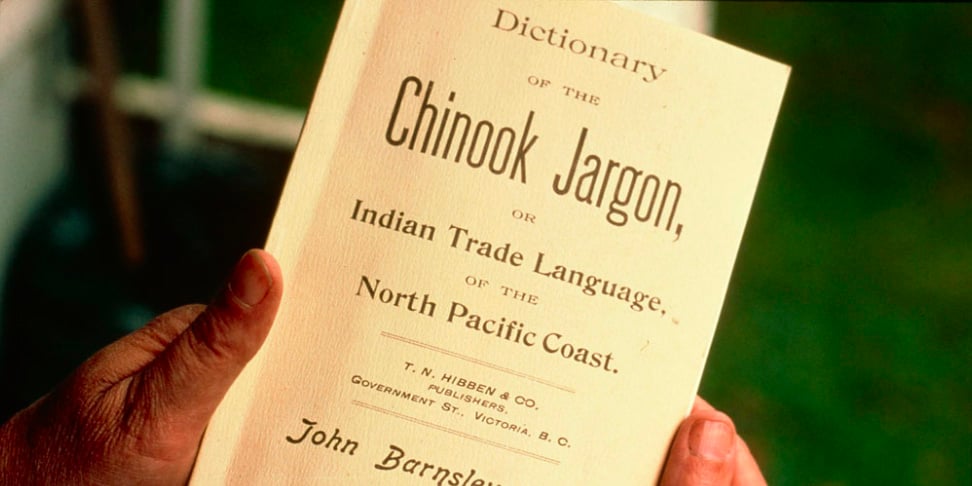
Dictionary of Chinook Jargon (Chinuk Wawa), Coqualeetza Library. Photo: George Mully / George Mully fonds / Library and Archives Canada

3 min read

Chinook Jargon - The First Language of Trade

tyee; skookum; tillicum; muckamuck It’s quite likely that at least one of the above words is familiar, especially to those who live in the Pacific...

Read More
hand saying no

2 min read

“Indian Giver” - Where Did It Come From, and Can We Give It Back?

A post we wrote in early October 2013 about a celebrity who used a colloquialism on air received over 1600 opens on our website, according to our...

Read More

4 min read

Use These 7 First Nations Colloquialisms at Your Peril

We should always take pains to avoid the use of these seven First Nations colloquialisms - words have a great capacity to cause emotional harm and...

Read More
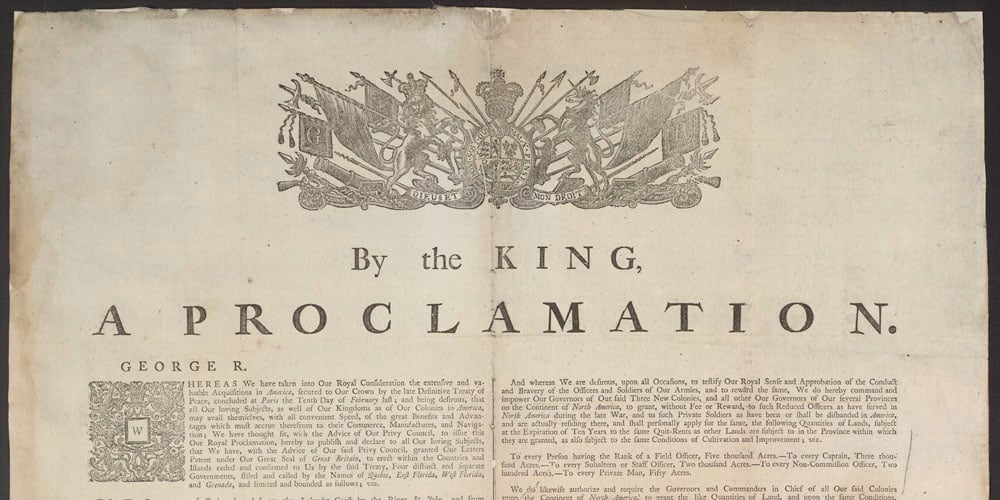
1763 Royal Proclamation

The Royal Proclamation Recognized Aboriginal Rights 250 Years Ago

The Royal Proclamation, signed by King George III on October 7, 1763, is regarded as early and powerful evidence of the recognition of Aboriginal...

Read More
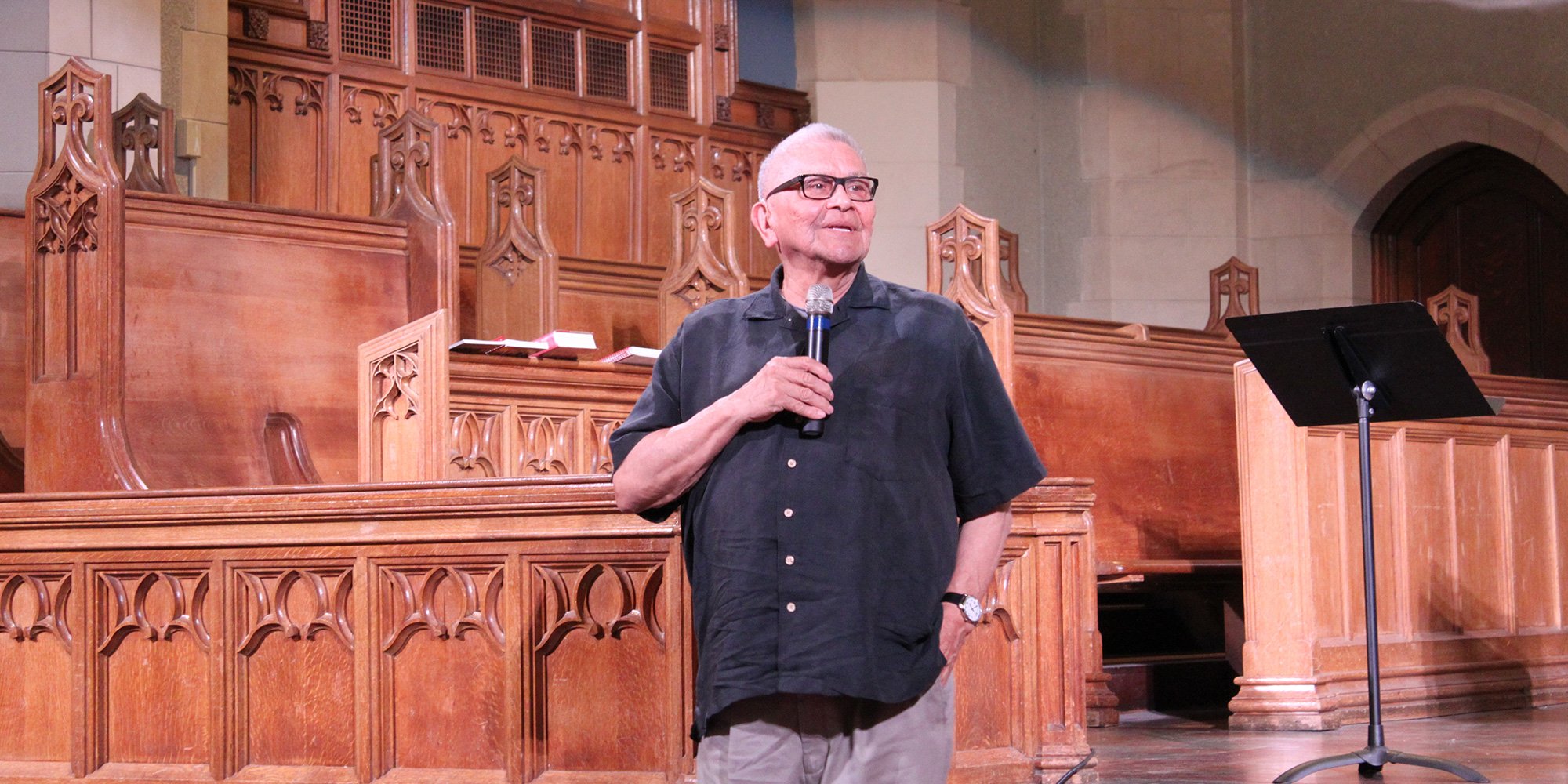
Chief Robert Joseph speaking

3 min read

First Nation Protocol - Thanking the Host First Nation, Why You Should

In this post, we share some insight on First Nation Protocol including why you should thank the host First Nation, and on the side provide an example...

Read More
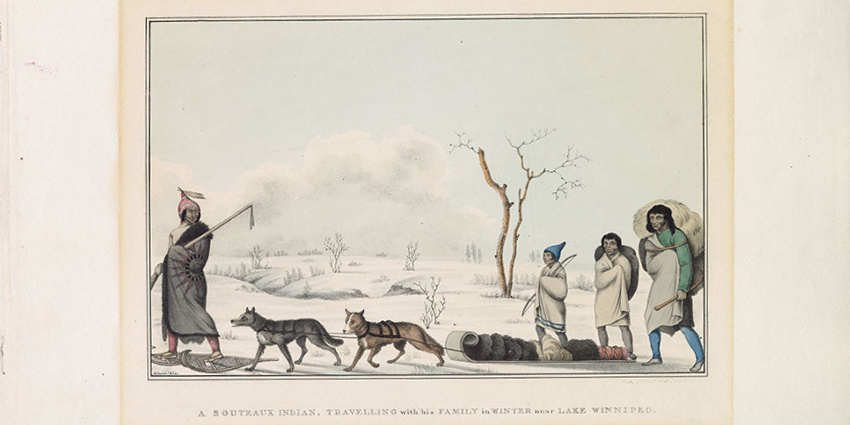
'A Souteaux Indian Travelling with his Family in Winter near Lake Winnipeg' Credit: LAC, Acc. No. 1970-188-1756 W.H. Coverdale Collection of Canadiana

2 min read

Extinguishment of First Nation Title

The history of extinguishment of First Nation title has its roots in old or historic treaties as shown from the excerpt below from Treaty 3, between...

Read More