1 min read
8 Key Issues for Indigenous Peoples in Canada
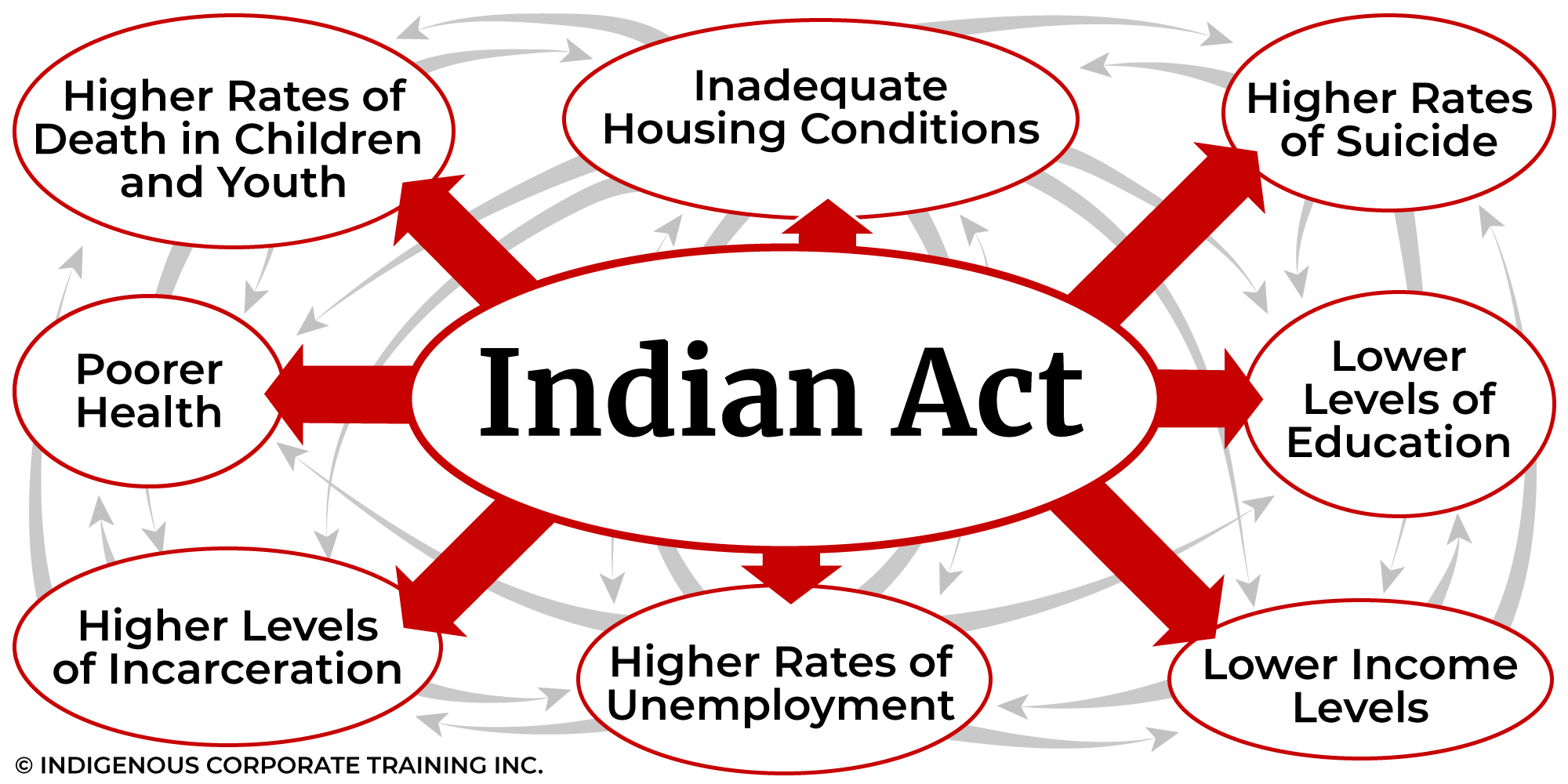
Eight of the key issues of most significant concern for Indigenous Peoples in Canada are complex and inexorably intertwined - so much so that...
5 min read

In this article, we look at the barriers - some tangible, some not - that maintain the status quo of exorbitant rates of unemployment amongst Indigenous Peoples in Canada.
What is the root of the barriers to employment that so many Indigenous people in Canada face? It can be pretty safely said that the seeds were sown at the time of contact. European settlers viewed Indigenous peoples as inferior and savage, and many Indigenous peoples viewed settlers with distrust, anger and fear.
Move along the timeline to the enactment of assimilation laws and residential schools and we see the ensuing intergenerational fallout of those laws - crushing poverty, poor health, low esteem, broken families and lower-than-average education achievements. And then there’s the Indian Act and its paternalistic laws that continue to further exacerbate the situation.
While employers may recognize that Indigenous workers can be valuable members of their organization, they may not have a full understanding of the barriers that prevent many Indigenous Peoples from entering the workforce, or ideas on how they could remove or mitigate the barriers. We are certainly not suggesting that the private sector should take responsibility for overcoming all the barriers - we are simply offering some ideas and suggestions for consideration.
The first step is to contact the band or administration office, community and friendship centres, Indigenous employment agencies, and talk to them about the biggest barriers to employment in that particular community, and then work with them to determine a plan of action.
Barrier: High school and basic literacy skills are requirements for nearly all jobs. Many families harbour resentment and distrust of the education system in Canada due to the intergenerational effect of residential schools, therefore many families don’t value or support education.
Among those aged 25 to 65, just over one-third (35%) of off-reserve First Nations people had a literacy score of level 3 or higher, while the figure was 50% for Métis. In comparison, 57% of non-Aboriginal individuals had a literacy score of level 3 or higher (Chart 1). At the same time, almost one-quarter (24%) of off-reserve First Nations people and 40% of Métis had higher levels of numeracy, compared with 49% of their non-Aboriginal counterparts. [1]
Solution: Work with the school to implement a mentoring program that encourages children to believe that an education is important - a message that is just as important in the earlier grades as it is in the later grades. If the internet is available, help the school set up a computer room for online learning or upgrading. Visit the school or community centre frequently and talk about the benefits of staying in school, and the opportunities that open up with a high school or equivalency certificate.
2. Cultural differences
Barrier: Employers and co-workers may not understand or respect the unique cultural differences of Indigenous Peoples, which can create a worksite atmosphere of disrespect, resentment or distrust.
Solution: Every First Nation, Métis, and Inuit community is distinct and unique. Invest the time to go into the community nearest your project or business to learn about that community’s culture, history, challenges and achievements. Invite Elders to visit your worksite to talk about their culture and beliefs. Ensure that every person in your organization, including those in head office, takes a cultural awareness course. Recognition and respect of cultural differences has to be systemic, and it has to be supported by management in order to be sustainable and effective.
3. Racism/discrimination/stereotypes
Barrier: This is one of the fundamental barriers to the employment and retention of Indigenous Peoples. It is directly related to the attitudes passed down since European settlers arrived in North America. There are a number of myths and misconceptions about Indigenous Peoples and the perception of “special treatment” that some non-Indigenous people still believe to be true.
Solution: Consider the provision of Indigenous Awareness training for employees to help them understand the background of common myths and help employees overcome and avoid stereotypes.
4. Self-esteem
Barrier: Poverty, broken families, racism, stereotypes, discrimination, and few role models all contribute to low self-esteem. It’s hard to present well in a job interview when one is struggling with low self-esteem.
Solution: Be empathetic, creative and always positive in your outreach and interactions. Consider working with the local community employment people to offer a series of workshops on how to write a resume and cover letter, how to prepare for an interview, and hold a series of mock interviews and provide opportunities for practice.
5. Poverty and poor housing
Barrier: Many First Nations children, living on-reserve, start each day in an overcrowded, inadequate home that likely is in need of repairs, has asbestos, and mould, and may not have drinking water. Unhealthy living conditions affect a person’s mental and physical well-being.
In 2021, almost one in six Indigenous Peoples (16.4 per cent) lived in a dwelling needing major repairs, a rate nearly three times higher than that of the non-Indigenous population (5.7 per cent). As well, 17.1 per cent of Indigenous Peoples lived in crowded housing—that is, housing not considered suitable for the number of people living there, according to the National Occupancy Standard. [2]
One in five Indigenous people lived in a dwelling that was in need of major repairs in 2016
One-quarter (26.2%) of Inuit, 24.2% of First Nations people and 11.3% of Métis lived in a dwelling that was in need of major repairs. In comparison, 6.0% of the non-Indigenous population reported living in a dwelling in need of major repairs. [2]
Solution: Indigenous self-government can provide the jurisdiction that Indigenous communities need to address these issues, such as inadequate housing and poor conditions. This would allow for Indigenous communities to direct funding into programs that address the issues of most importance to them.
Barrier: This is a real stumbling block in remote communities - just getting to the nearest office to write the initial test can be challenging. Taking driver’s training is similarly a challenge as there may not be easily accessed training providers or, for that matter, a vehicle on which to learn.
Solution: Having a driver’s license is almost as critical to getting a job as having a Grade 12 or equivalency certificate. Consider offering free driver training lessons in the community; arrange the driver's exams and arrange transportation to the nearest testing station. Don’t let the students give up if they fail the first time - the boost to self-esteem that earning their Learner’s or New Driver's license is “priceless.”
Further Reading: Barriers to Indigenous Employment: A High Beam on Driver's Licenses
7. Transportation
Barrier: Few remote communities are serviced by public transit; vehicle insurance is expensive and out of reach for many in pre-employment situations; again, owning a vehicle or having access to a vehicle is frequently not a reality.
Solution: Arrange a shuttle service that will pick up the workers at or close to their homes and take them back again at the end of the shift.
Barrier: Safe, affordable child care is a challenge for almost all working Canadians - it is even more of a challenge for parents in Indigenous communities.
Solution: If the community does not have a child care facility, build one and hire a qualified child care worker, provide qualified child care on-site, or connect with a local, culturally aware child care provider to ensure there are spots available for the children of your employees.
This article was originally posted on March 31, 2014.
[1] Literacy and numeracy among off-reserve First Nations people and Métis: Do higher skill levels improve labour market outcomes?
[2] Housing conditions among First Nations people, Métis and Inuit in Canada from the 2021 Census
Featured photo: Unsplash

1 min read
Eight of the key issues of most significant concern for Indigenous Peoples in Canada are complex and inexorably intertwined - so much so that...
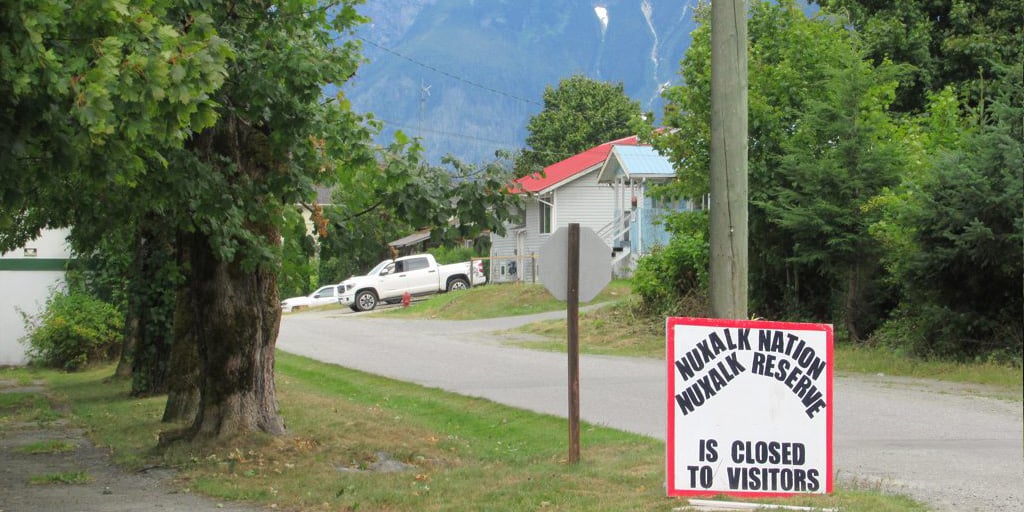
Did you know that adequate housing was recognized in the 1948 Universal Declaration of Human Rights? Did you know almost one in six Indigenous people...
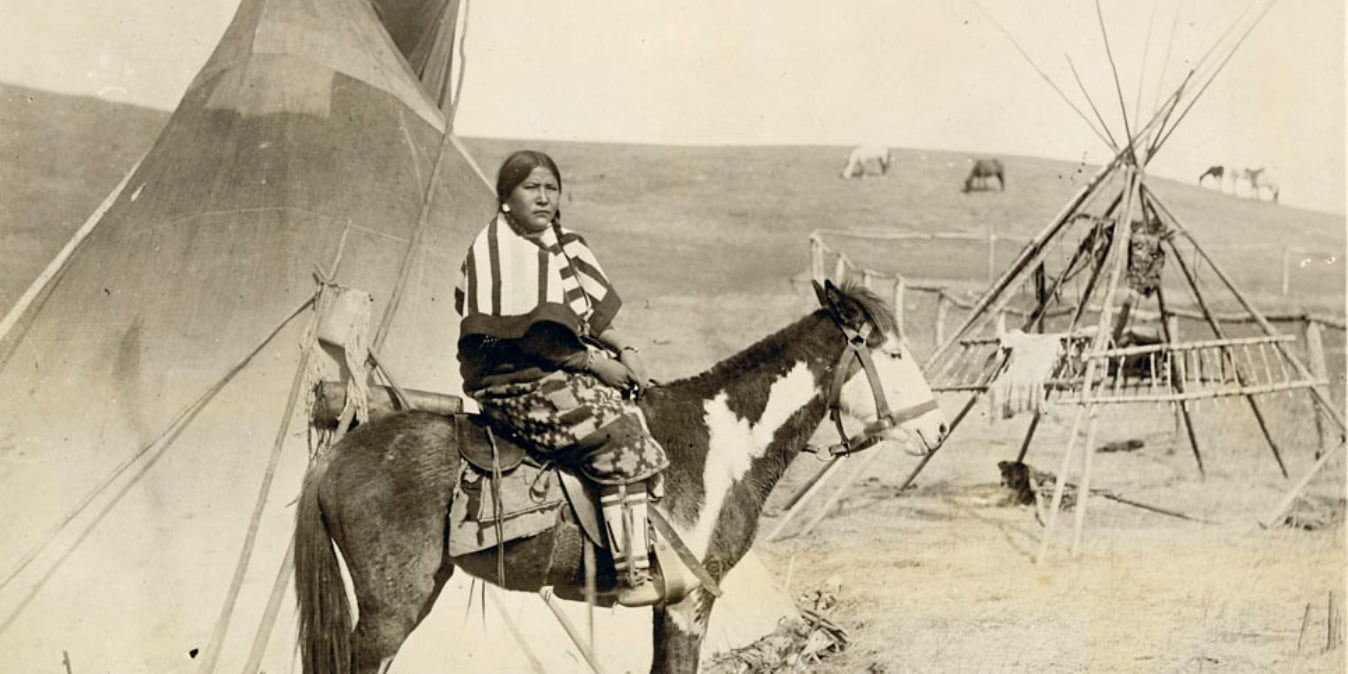
When an Indian woman marries outside the band, whether a non-treaty Indian or a white man, it is in the interest of the Department, and in her...